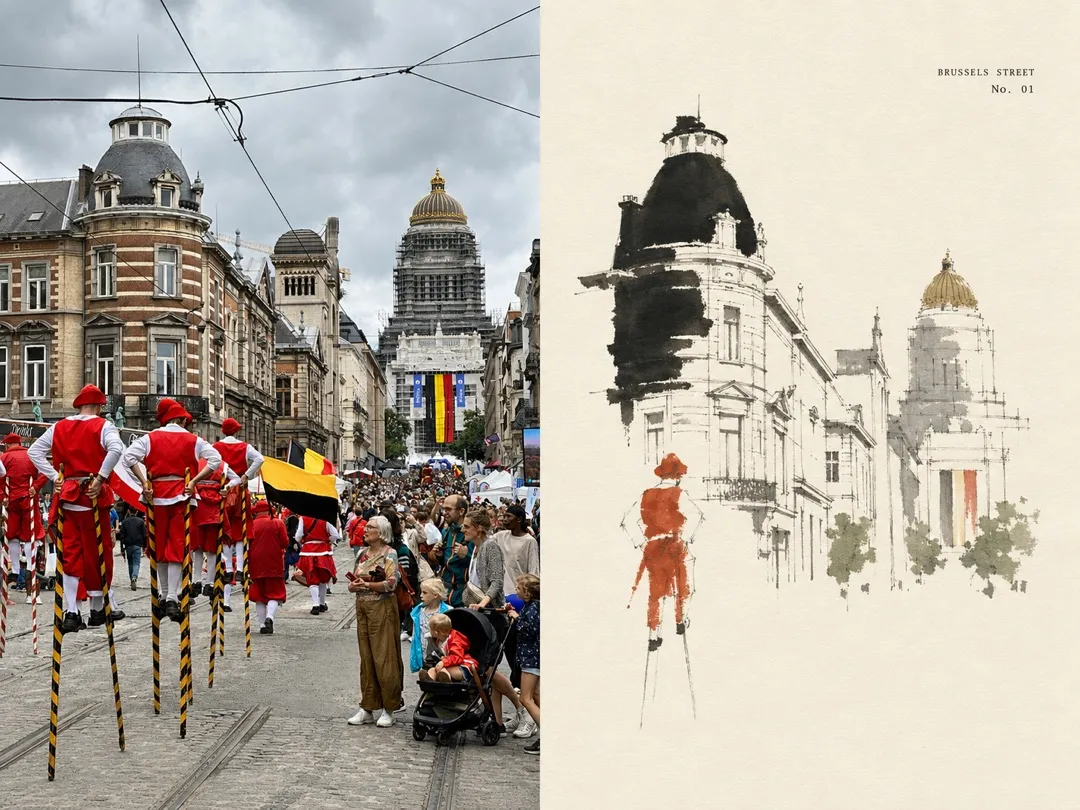
melih@melih2CreateSanatsal6viewsAI-generatedOpenAIPlease transform each photo I upload into a separate, standalone high-end architectural observation poster. Do not combine multiple images into a collage; each photo must be output individually. Prefer an overall 4:3 horizontal diptych composition. The left side should occupy approximately 50% of the image and faithfully preserve the original photograph; the right side should occupy approximately 50% and reinterpret the same scene as an “ink-and-color architectural observation drawing.” The central boundary between the left and right sections must be a straight, crisp, clean hard cut. Do not use fading, feathering, torn-paper effects, misting, or any visual blending between the two sides. Do not allow the photograph, ink lines, plants, or color blocks to cross the boundary. The boundary itself does not need an extra outline. On the left side, preserve the original photograph faithfully, including the identity of the main subject, architectural structure, terrain relationships, spatial orientation, natural light and shadow, real material texture, and original color atmosphere. Apply only subtle, restrained high-end photographic color grading so that it feels like architectural magazine photography, museum publications, and exhibition documentation. Do not stretch, distort, move, replace, or redesign the subject. On the right side, use a background of warm ivory natural paper. Observe and extract the most recognizable architectural motifs from the photograph—such as roofs, eaves, door openings, colonnades, platforms, walls, steps, railings, covered walkways, and the main spatial direction—and reorganize them into a modern East Asian paper-based architectural observation drawing. Do not completely replicate the photo, and do not draw every architectural detail. Use one to two irregular solid black or charcoal-black ink masses to establish the primary architectural contour and visual weight—for example, using a single dark ink mass to summarize the roof, eave line, or wall. Then use only a small amount of fine, slightly broken gray-black ink linework to suggest colonnades, railings, perspective direction, and necessary structural nodes. Follow this hierarchy: overall architectural mass > spatial direction > necessary structure > tiny details Roof tiles, window grids, brick textures, carvings, bracket sets, and railings must not be depicted one by one with precision. Complex structures should be intentionally deleted, merged, and simplified, so that the building remains instantly recognizable while preserving traces of hand observation, on-site sketching, and artistic reduction. Do not render plants leaf by leaf. Compress tree canopies, bamboo groves, shrubs, and distant vegetation into a small number of irregular dabs and dry-brush color blocks in gray-green, moss green, sage green, olive green, or ochre. Tree trunks and branches should be suggested with only a very small amount of dark linework. If the photo includes water, represent it only with a few groups of broken, sparse horizontal brushstrokes in gray-blue or gray-green. Do not fill the whole water area. The sky, air, ground, mist, and distance may be represented directly by untouched paper left blank. At least 40% to 60% of the right side must remain as continuous blank paper. All ink masses, linework, and color should be grouped concentrically around one main architectural motif. Do not scatter small fragmented marks evenly across the entire page, and do not fill the background just to explain the full environment. Extract the color palette from the original photo, but compress it into a restrained, limited palette. Use mainly ink black, charcoal gray, warm gray, gray-green, moss green, mineral blue-green, ochre, and ivory. Retain only one small area of warm color as a visual focal point. If the original photo contains an important human figure, it may be preserved as the only small vermilion-red silhouette. If there is no figure, do not invent one. A red pillar, lantern, door panel, or other recognizable red architectural element from the photograph may also serve as the single vermilion focal point, but do not let multiple warm-colored elements compete for attention. Use the texture of a real paper-based painting: bold black ink mass, broken dry brush, sparse structural linework, muted mineral color, natural ink absorption, rough brush edge, subtle pigment granulation, visible paper fibers, warm ivory paper, partially exposed paper. The ink linework should show slight hesitation, dryness, breakage, and handmade imperfection. Color should be applied sparingly, opaque or semi-opaque, and should avoid large transparent watercolor washes. The image should be a fusion of modern architectural observation, East Asian awareness of negative space, and paper-based editorial design, not a complete traditional ink landscape painting. A very small amount of typographic information may be added in the blank area on the right side: extract 2 to 4 English words from the scene as a title, accompanied by a number, location, or year. Use a thin, restrained serif or sans-serif font with the feeling of an architectural publication. The text must not overlap the main architectural form. Do not include fictional logos, stamps, signatures, or calligraphic inscriptions. The overall mood should be quiet, restrained, clear, rational, and poetic—like a page of observation notes completed by an architect during travel, and also like an Eastern architecture study poster published by a modern art museum. Style keywords: ink and color architecture observation, East Asian architectural field drawing, bold black roof mass, sparse structural linework, muted mineral pigments, warm ivory paper, controlled negative space, dry brush texture, architectural observation sketch, modern Asian editorial poster, museum architecture monograph, clear split boundary. Avoid: blended photo-paper boundary, feathered transition, elements crossing the center boundary, busy perspective web, complete building rendering, exact roof tiles, detailed windows, individual leaves, dense foliage, photorealistic illustration, dominant watercolor wash, traditional full landscape painting, CAD blueprint, clean vector geometry, smooth digital gradients, generic ink filter, fake calligraphy, signature, seal, logo, watermark, cluttered typography. Most important rule: On the right side, use only one weighty, dominant dark ink architectural mass to govern the composition. All other structure lines, plants, and color should serve only as necessary hints. A clear boundary, continuous blank space, and intentional reduction are just as important as the architecture itself.View post2Create
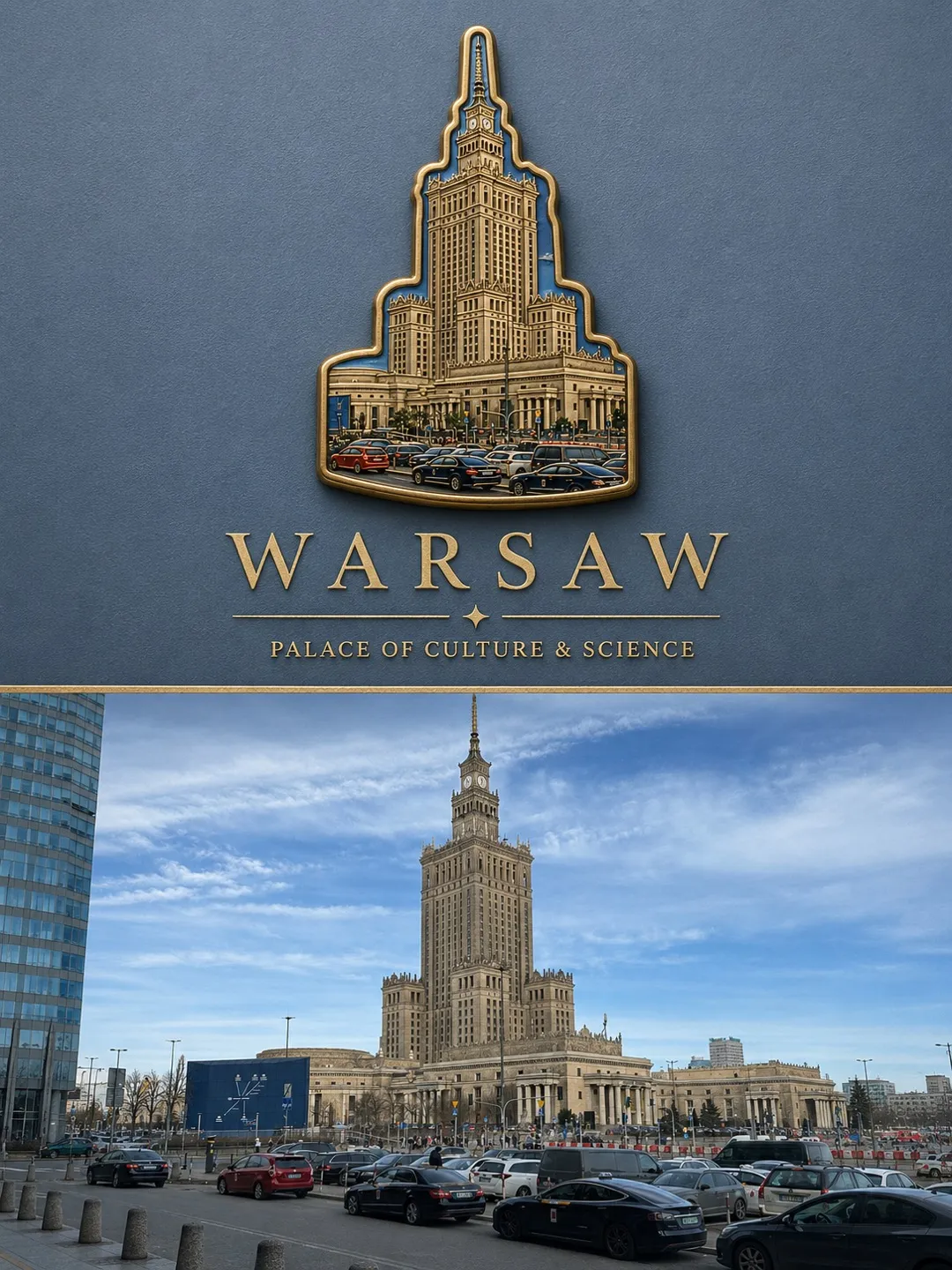
melih@melih1CreateMagnet prompt5viewsAI-generatedSCENIC ENAMEL MAGNET POSTER | TRAVEL ENAMEL FRIDGE MAGNET SOUVENIR POSTER Please transform each travel photo I upload into a separate, standalone, high-end travel souvenir fridge magnet poster. Each photo must be output individually. Do not combine multiple photos into a collage. Do not show the production process,…View post1Create
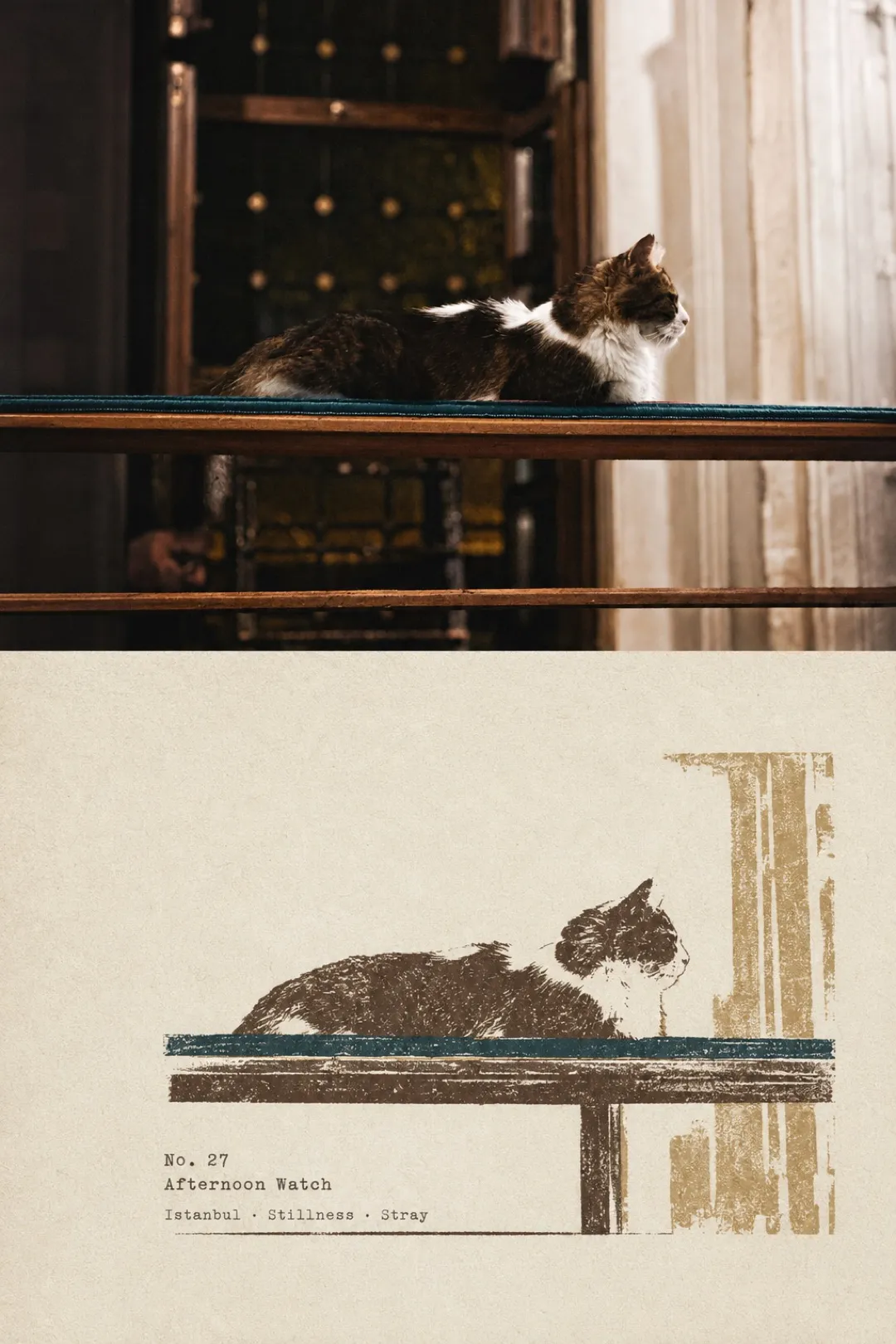
melih@melih2CreateEstetik çizim6viewsAI-generatedCreate each uploaded photo as a separate, independent high-end design poster. Do not combine multiple images into one composition; each photo must be output individually. Use an overall 3:4 vertical layout, divided into two equal sections from top to bottom, with a strict 1:1 height ratio so that each section occupies…View post2Create
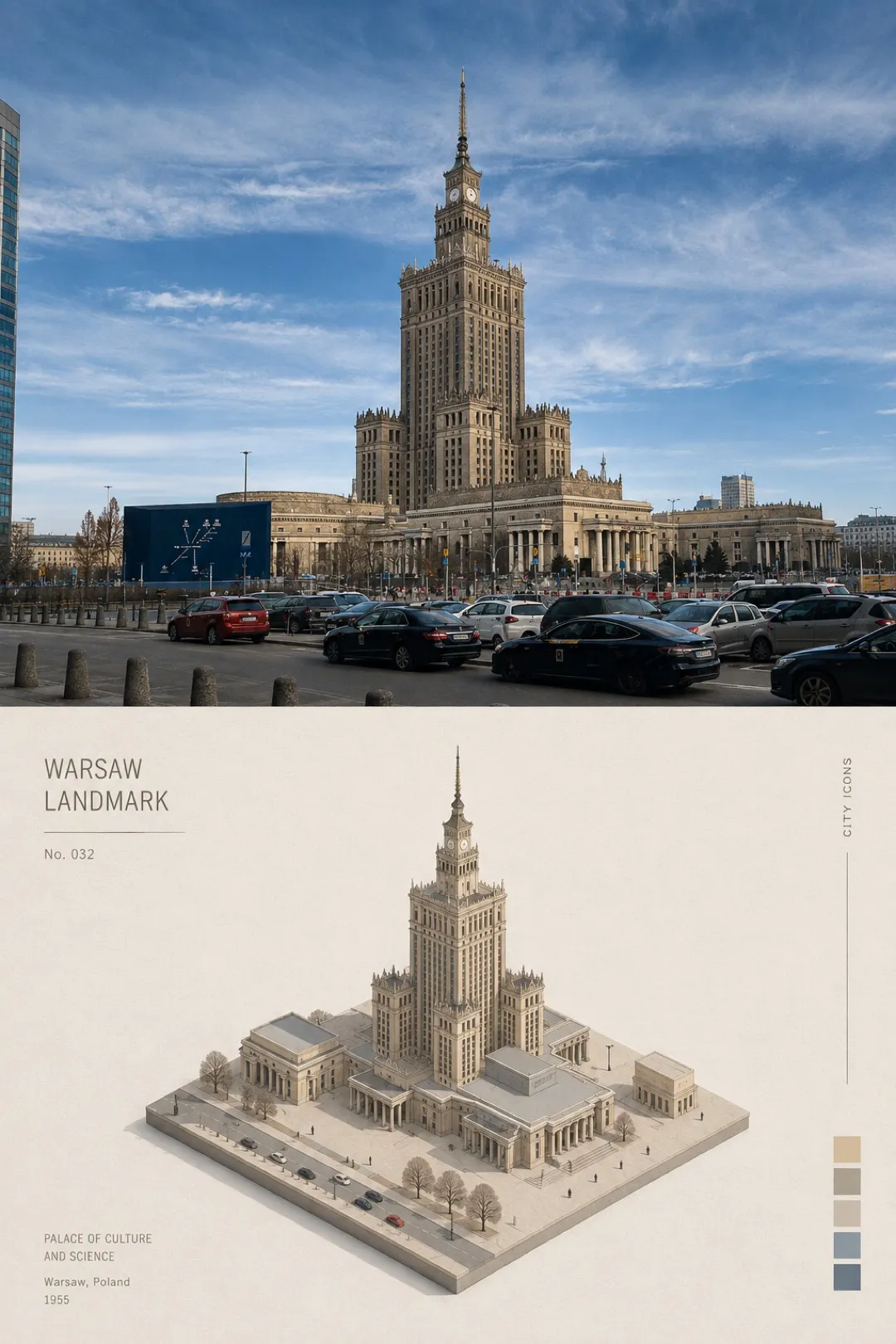
melih@melih11CreatePost card prompts5viewsAI-generatedPlease turn each photo I upload into a separate, standalone high-end design poster. Do not combine multiple images into a collage; output each photo individually. Use an overall 3:4 vertical composition, with the upper and lower sections divided in a strict 1:1 height ratio, each occupying exactly 50% of the…View post11Create
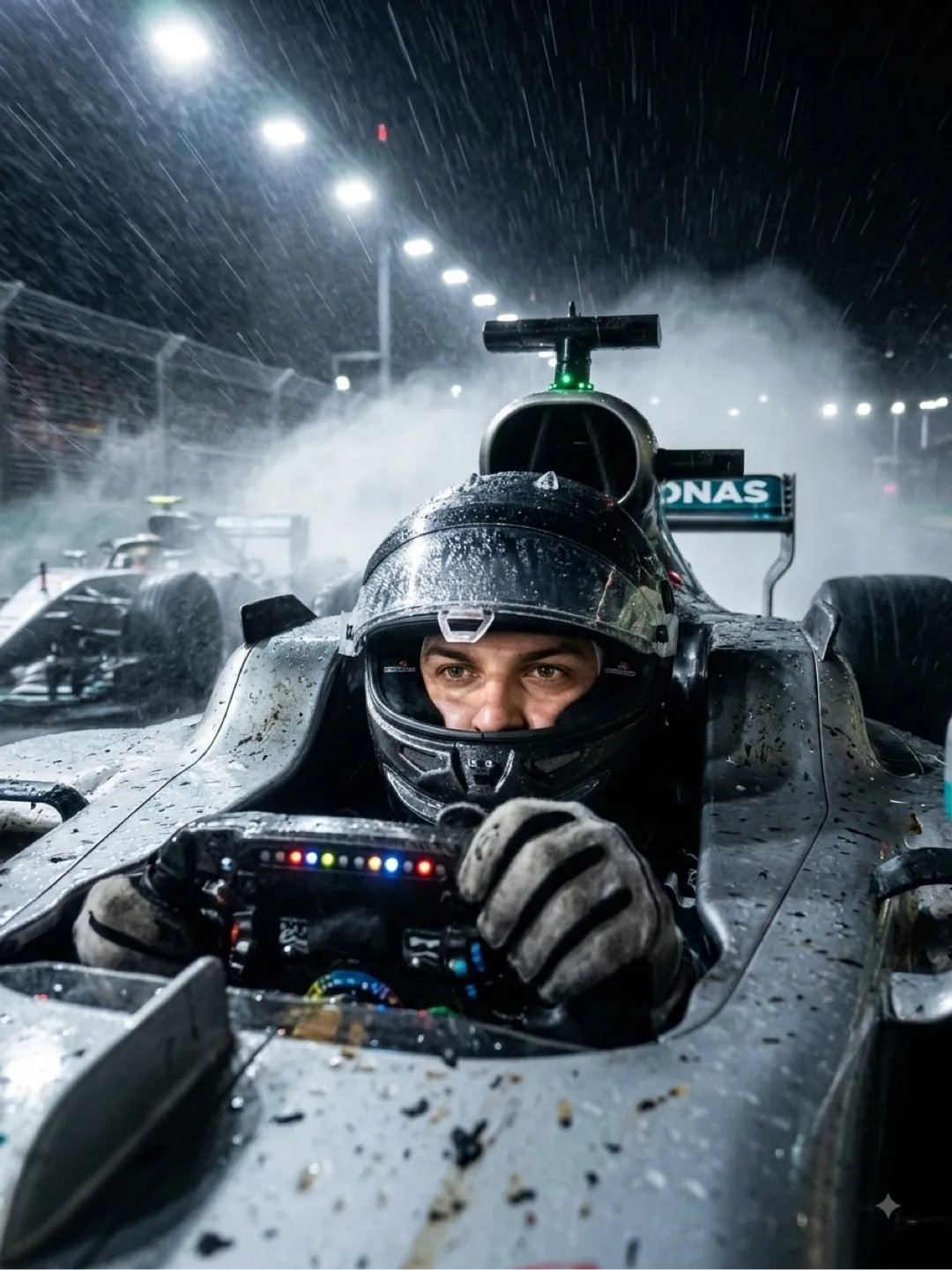
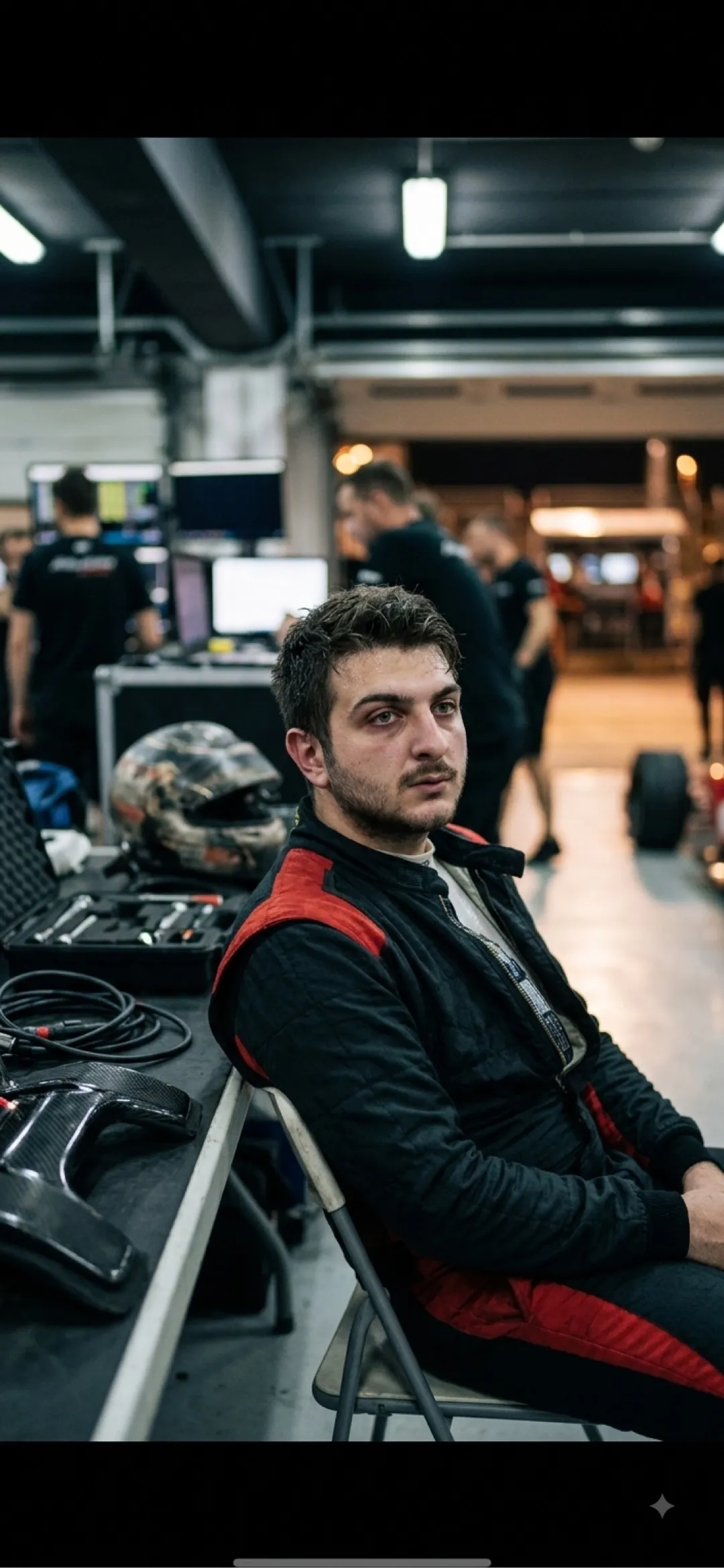
melih@melih1CreateF1 pilot6viewsAI-generatedUse the reference image strictly as the identity anchor for the man. Preserve the exact facial structure, eyes, nose, lips, skin tone, age, and every recognizable feature visible through the helmet opening. Do not reinterpret his identity. His face must remain unmistakably the same real person. A cinematic…View post1Create
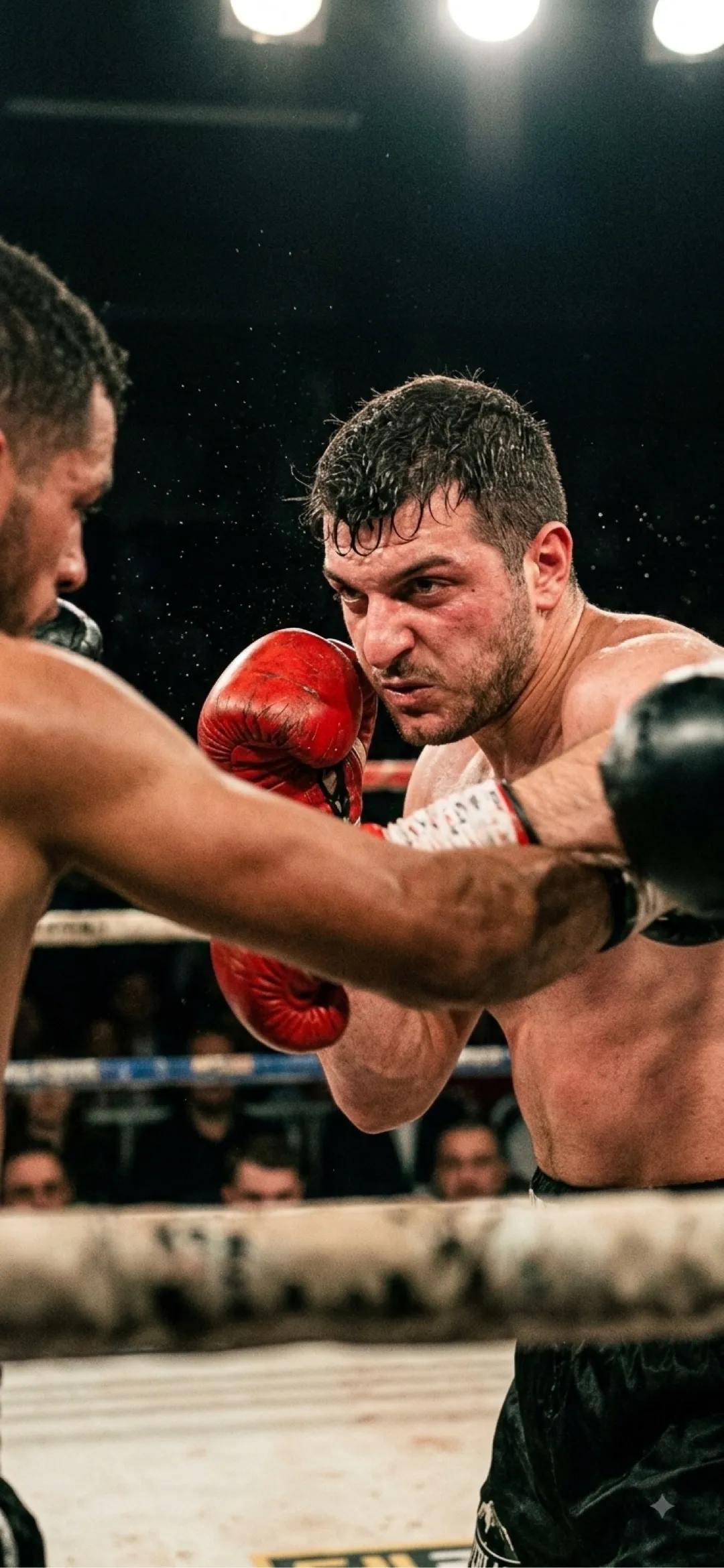
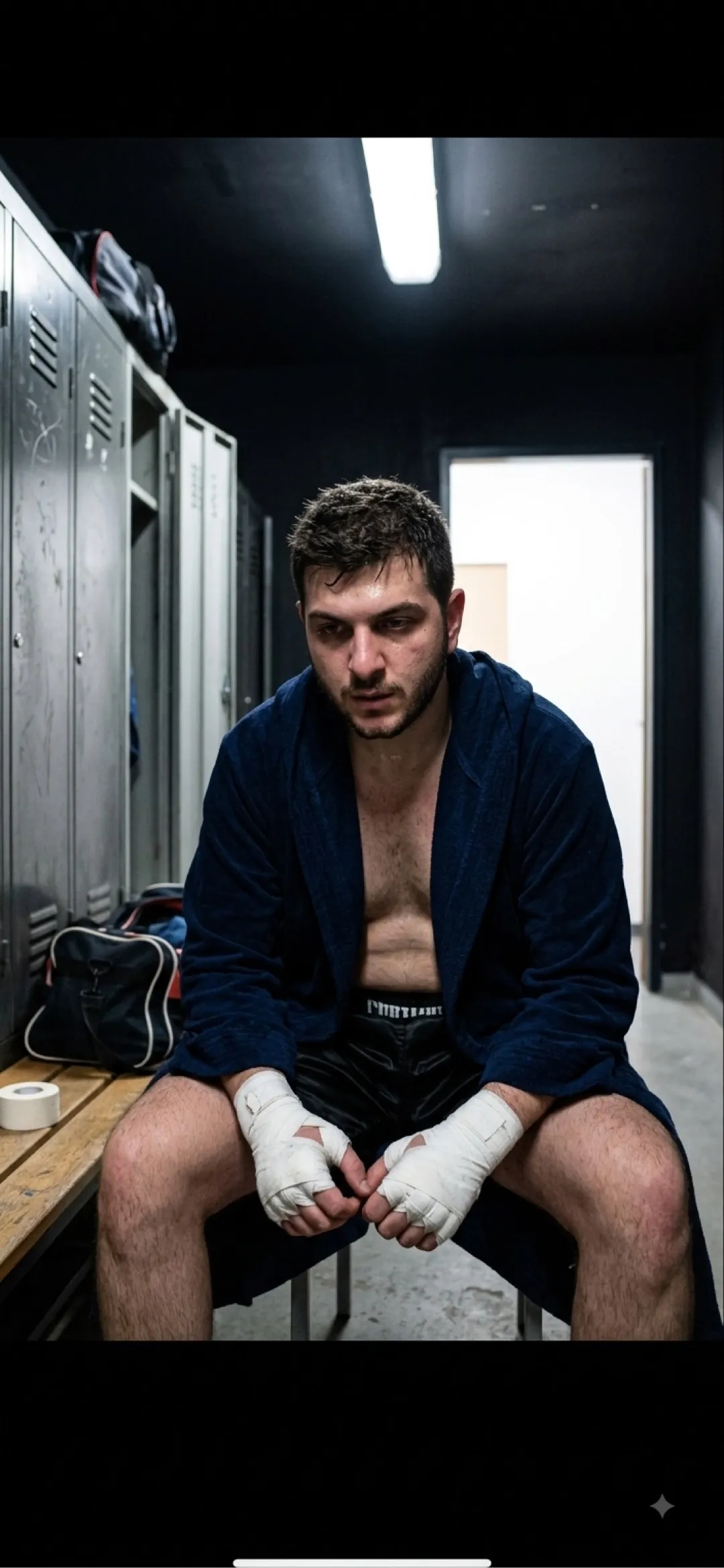
melih@melih1CreateMuhammet ali clayy6viewsAI-generatedUse the reference image strictly for the exact identity of the man. Preserve the same facial anatomy, face shape, skin tone, hairline, hairstyle, age, proportions, and recognizable features. Do not transform him into a generic fighter. His face must remain recognizable under realistic movement and physical strain. A…View post1Create
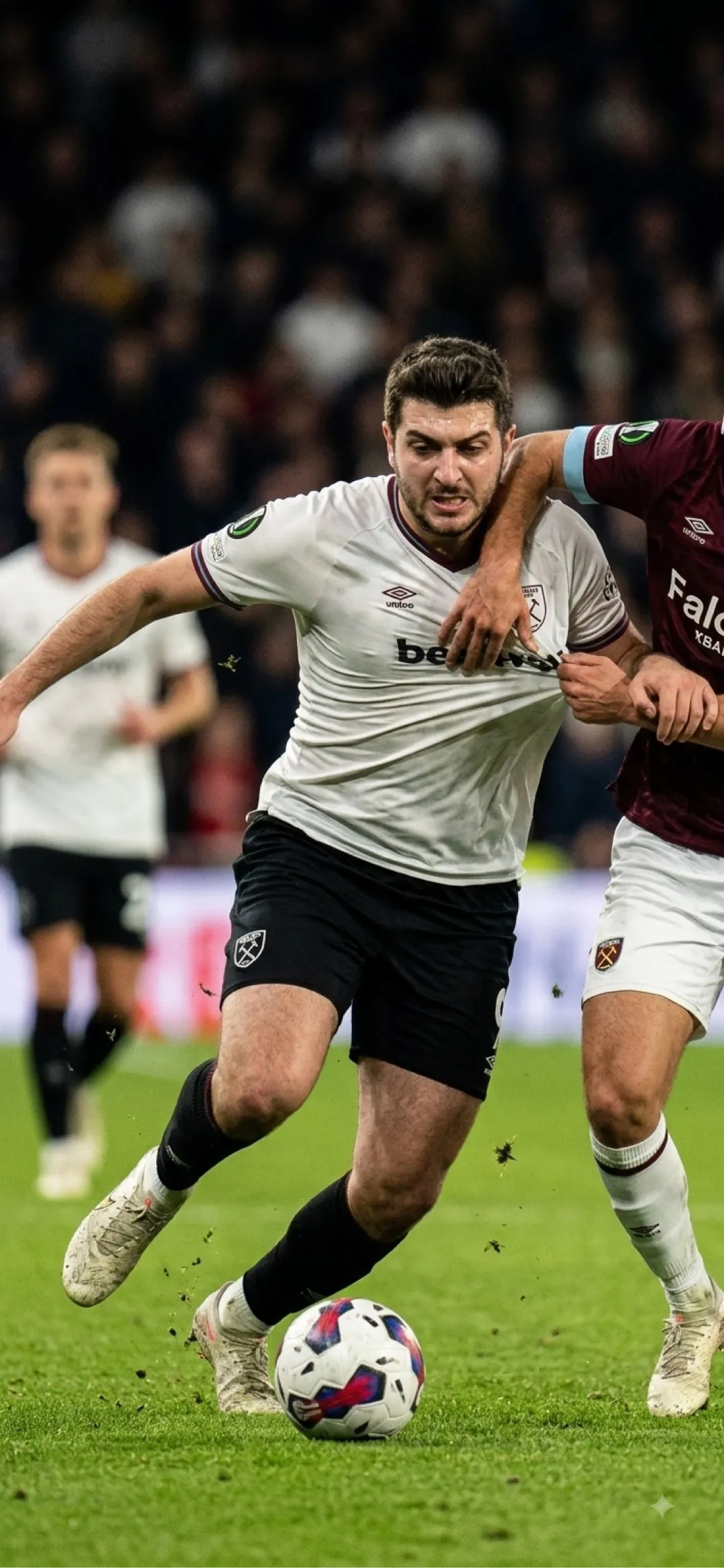
melih@melihCreate8-9 halısahada bizim hırs5viewsAI-generatedUse the reference image strictly as the identity anchor for the man. Preserve the exact facial structure, face shape, skin tone, hairline, hairstyle, age, and all recognizable features. He must remain unmistakably the same real person. Do not idealize his face or change his natural proportions. A cinematic…View postCreate
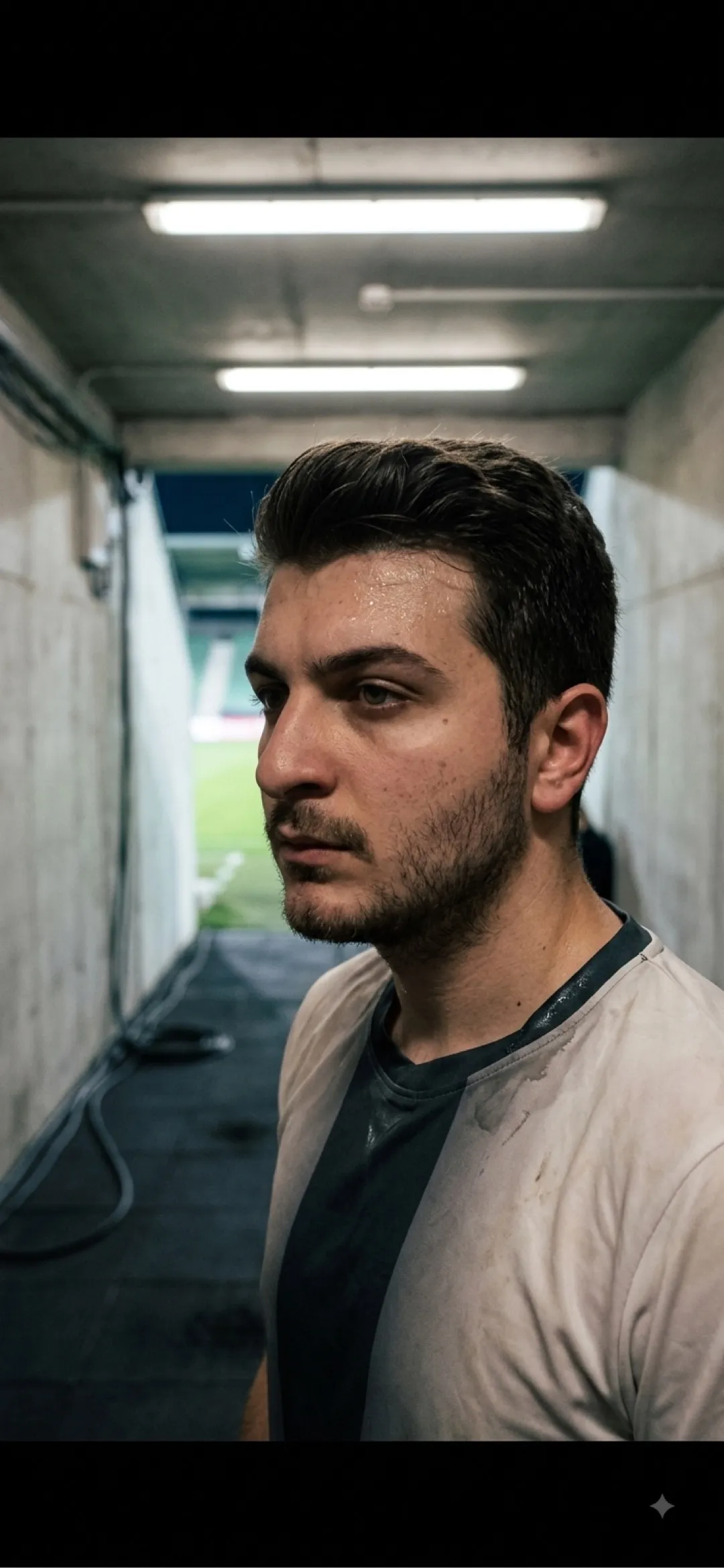
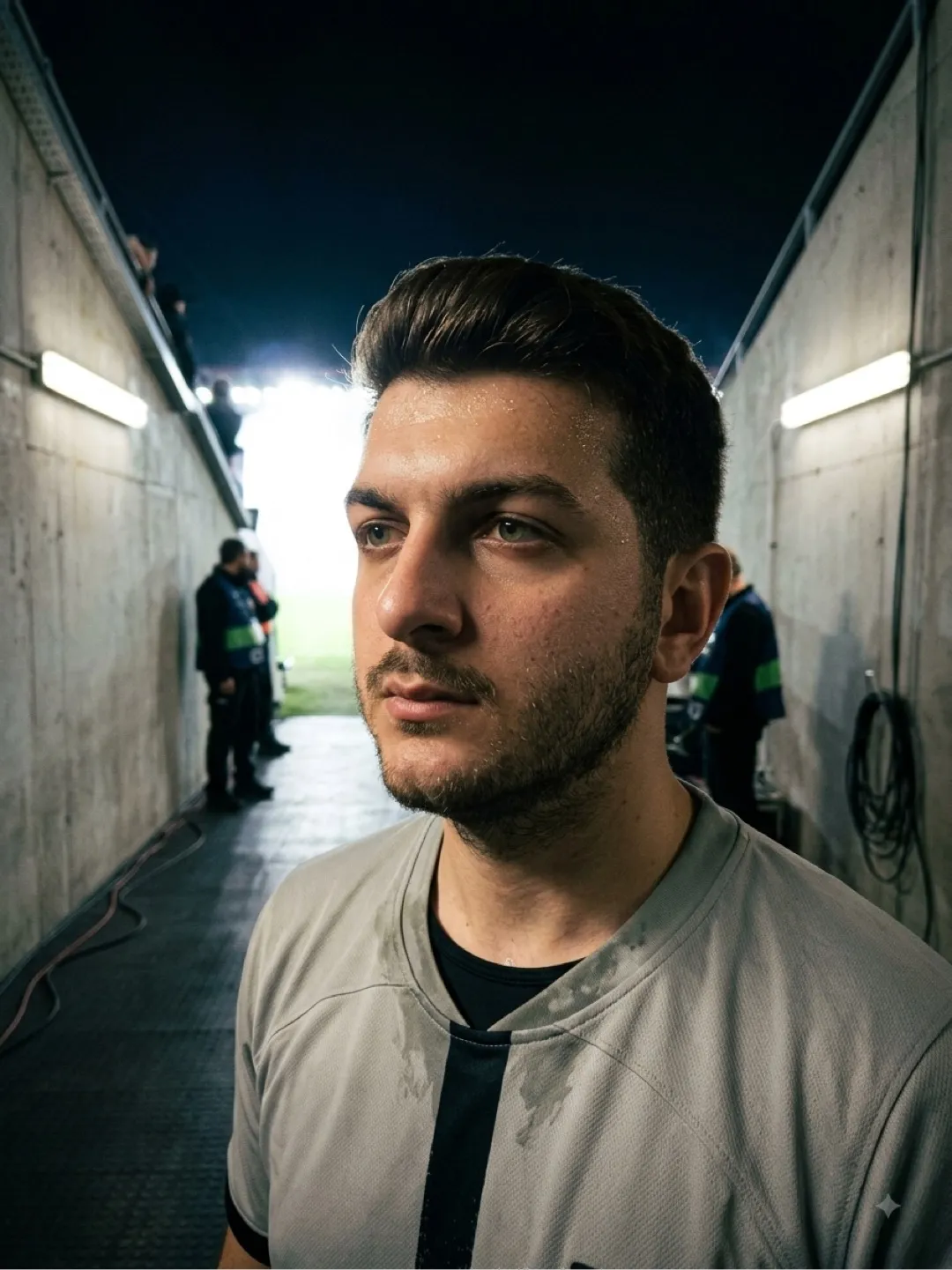
melih@melihCreateStadyumda bekleyiş6viewsAI-generatedUse the reference image only to preserve the exact identity of the man. Keep the same facial structure, face shape, skin tone, hairline, hairstyle, age, proportions, and recognizable features. Do not reinterpret or stylize his face. The man must look unmistakably like the person in the reference. A raw cinematic…View postCreate
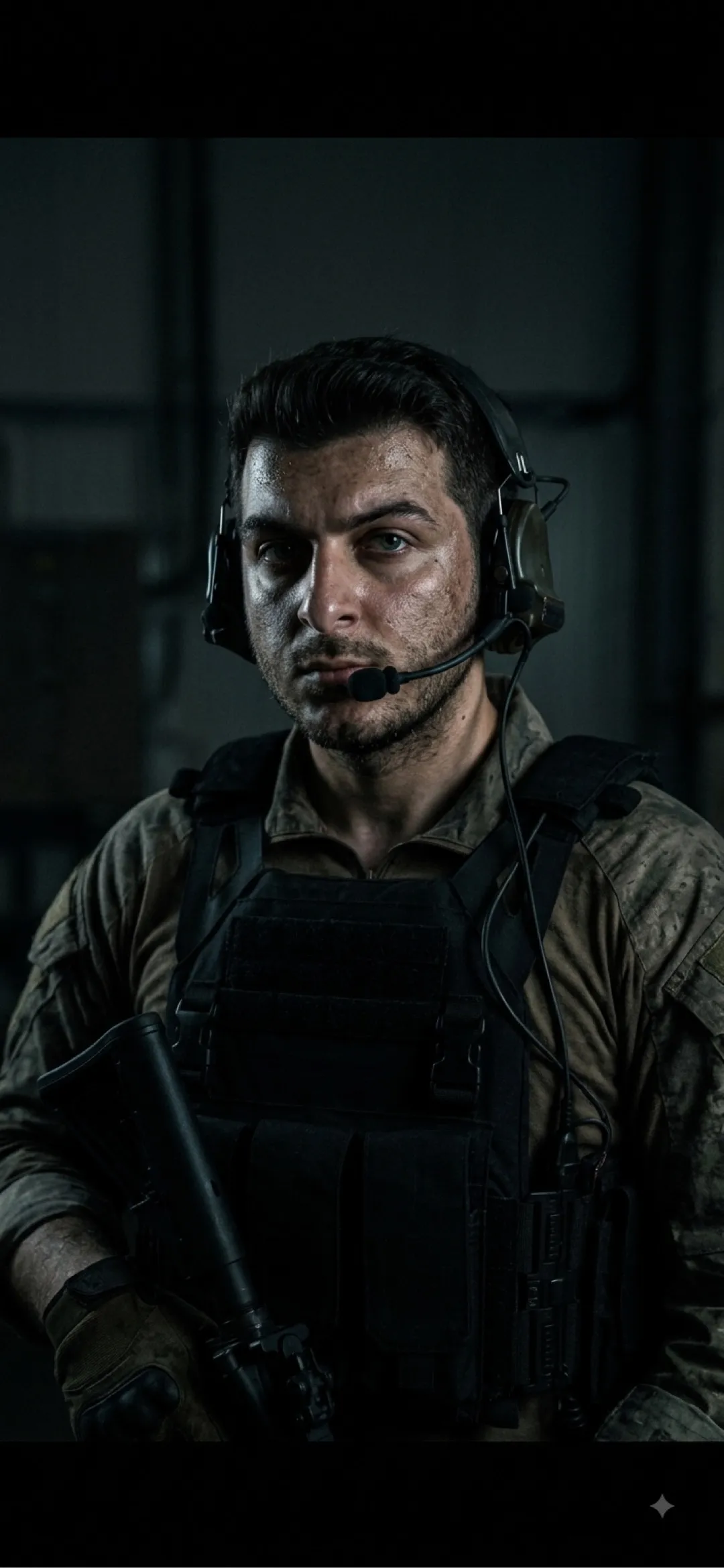
melih@melihCreateZorlu bekleyiş5viewsAI-generatedUse the reference image strictly as the identity source for the man. Preserve his exact face, facial proportions, skin tone, hairline, hairstyle, age, and recognizable features. Do not redesign his face or turn him into a generic athlete. A brutally realistic cinematic close portrait of the man as a professional…View postCreate
melih@melih2CreateZorlu bekleyiş5viewsAI-generatedUse the reference image strictly as the identity source for the man. Preserve his exact face, facial proportions, skin tone, hairline, hairstyle, age, and recognizable features. Do not redesign his face or turn him into a generic athlete. A brutally realistic cinematic close portrait of the man as a professional…View post2Create
melih@melihCreateYarışı bekliyoruz6viewsUse the reference image strictly for the exact identity of the man. Preserve the same facial structure, skin tone, hairline, hairstyle, age, proportions, and recognizable features. Do not change his facial anatomy or turn him into a generic racing driver. A cinematic ultra-realistic close portrait of the man as an…View postCreate
melih@melihCreateMaçı bekliyoruz4viewsAI-generatedUse the reference image only to preserve the exact identity of the man. Keep the same facial structure, face shape, skin tone, hairline, hairstyle, age, proportions, and recognizable features. Do not reinterpret or stylize his face. The man must look unmistakably like the person in the reference. A raw cinematic…View postCreate
melih@melih22CreateJÖH PÖH7viewsAI-generatedUse the reference image strictly as the identity anchor for the man. Preserve the exact facial structure, face shape, skin tone, hairline, hairstyle, age, proportions, and all recognizable features. He must remain unmistakably the same real person. The reference image should influence identity only, not clothing,…View post22Create
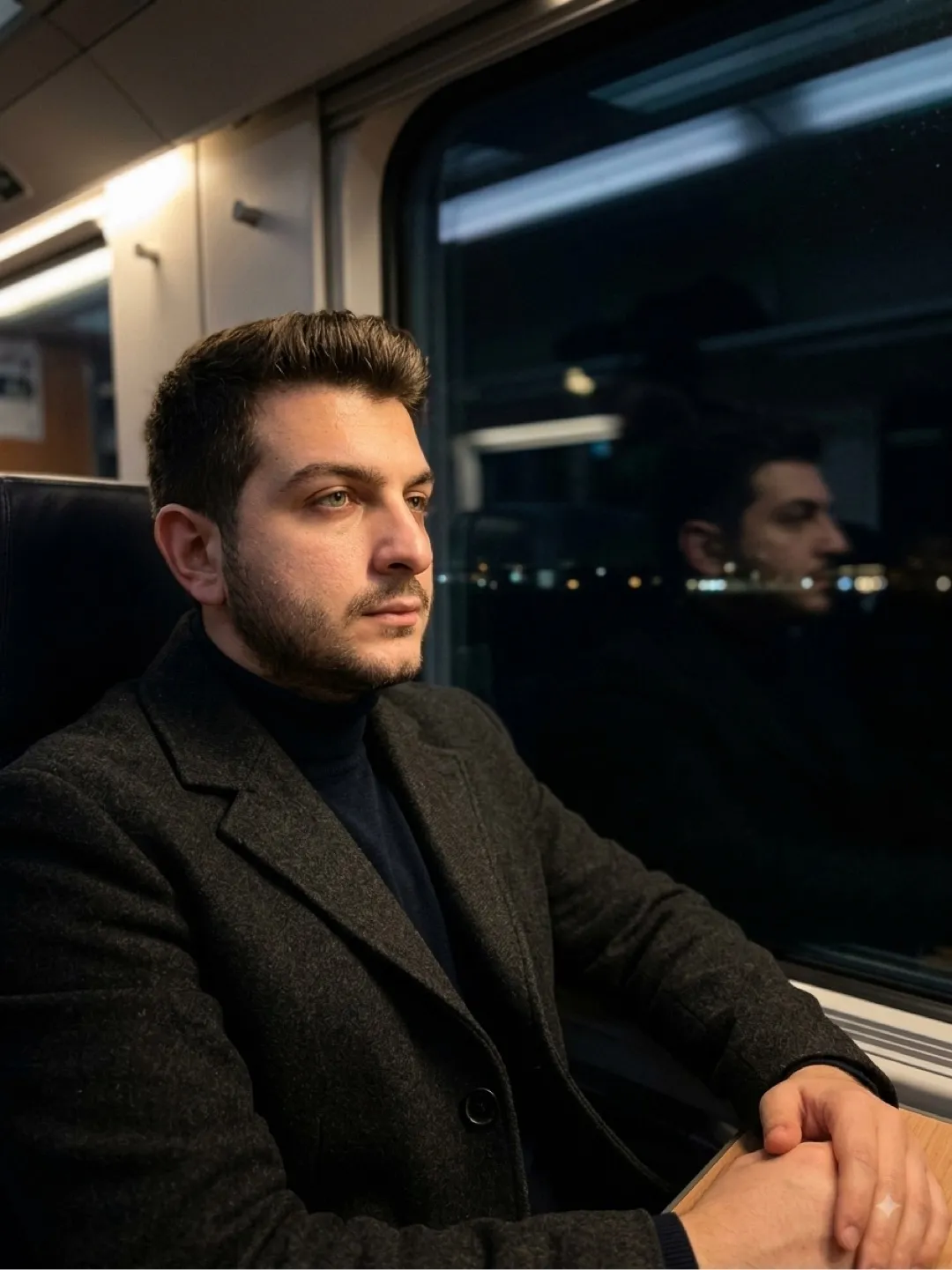
melih@melihCreateTrende bir gece6viewsAI-generatedUse the reference image strictly for the exact identity of the man. Preserve the exact face, hairstyle, age, skin tone, proportions, and all recognizable features. A cinematic ultra-realistic portrait of the man traveling alone inside a quiet first-class train compartment late at night. He sits beside the window…View postCreate
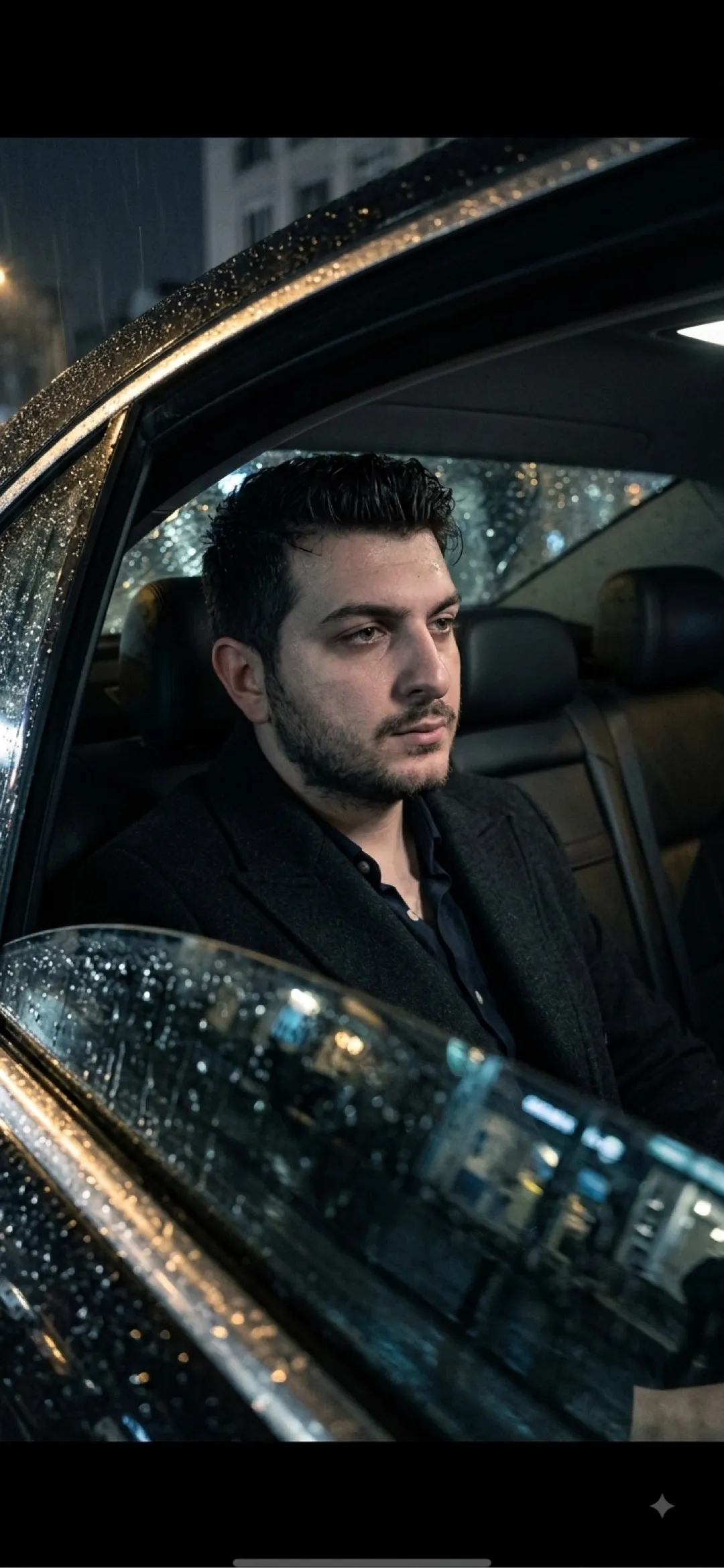
melih@melih1CreatePatronlar arkada oturur6viewsAI-generatedUse the reference image strictly as the identity anchor for the man. Preserve the exact facial structure, face shape, skin tone, hairline, hairstyle, age, proportions, and all recognizable features. He must remain unmistakably the same real person. The reference image should influence identity only, not clothing,…View post1Create
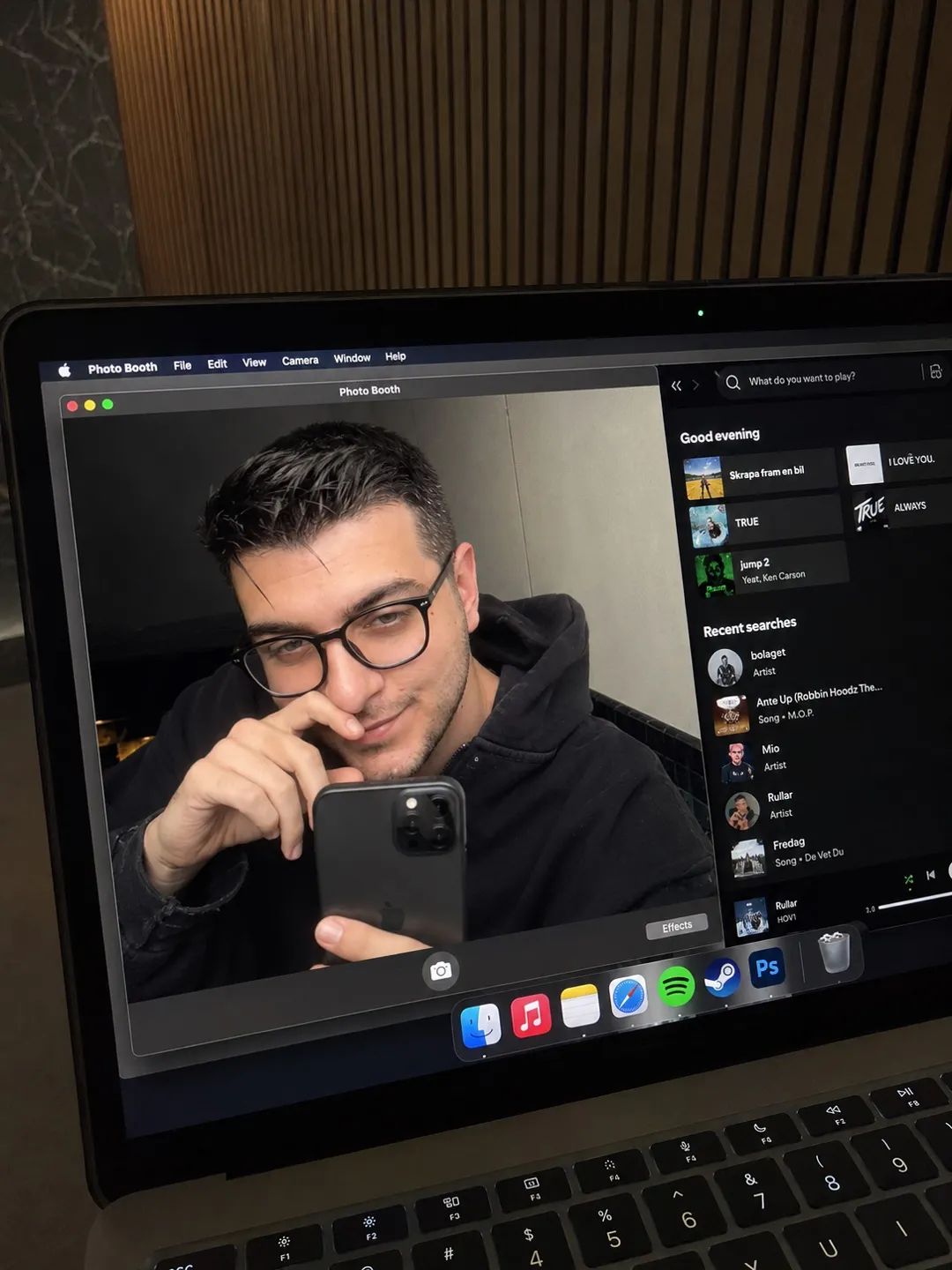
melih@melih21CreateMacbook fotosu6views:Create an image using the original face from the reference photo without changing the facial structure, skin tone, or identity. The face must remain identical, natural, and realistic (not Al-generated looking). MacBook screen selfie mirror, medium closeup (chest up), slightly tilted framing (subtle tilt), main focus…View post21Create
melih@melihCreateFotoğraf netleştirme15viewsUltra-high-resolution 4K enhancement based strictly on the provided reference image. Absolute fidelity to original facial anatomy, proportions, and identity. Preserve expression, gaze, pose, camera angle, framing, and perspective with zero deviation. Clothing, hair, skin, and background elements must remain unchanged…View postCreate
melih@melih31CreateFotoğraf netleştirme15viewsUltra-high-resolution 4K enhancement based strictly on the provided reference image. Absolute fidelity to original facial anatomy, proportions, and identity. Preserve expression, gaze, pose, camera angle, framing, and perspective with zero deviation. Clothing, hair, skin, and background elements must remain unchanged…View post31Create
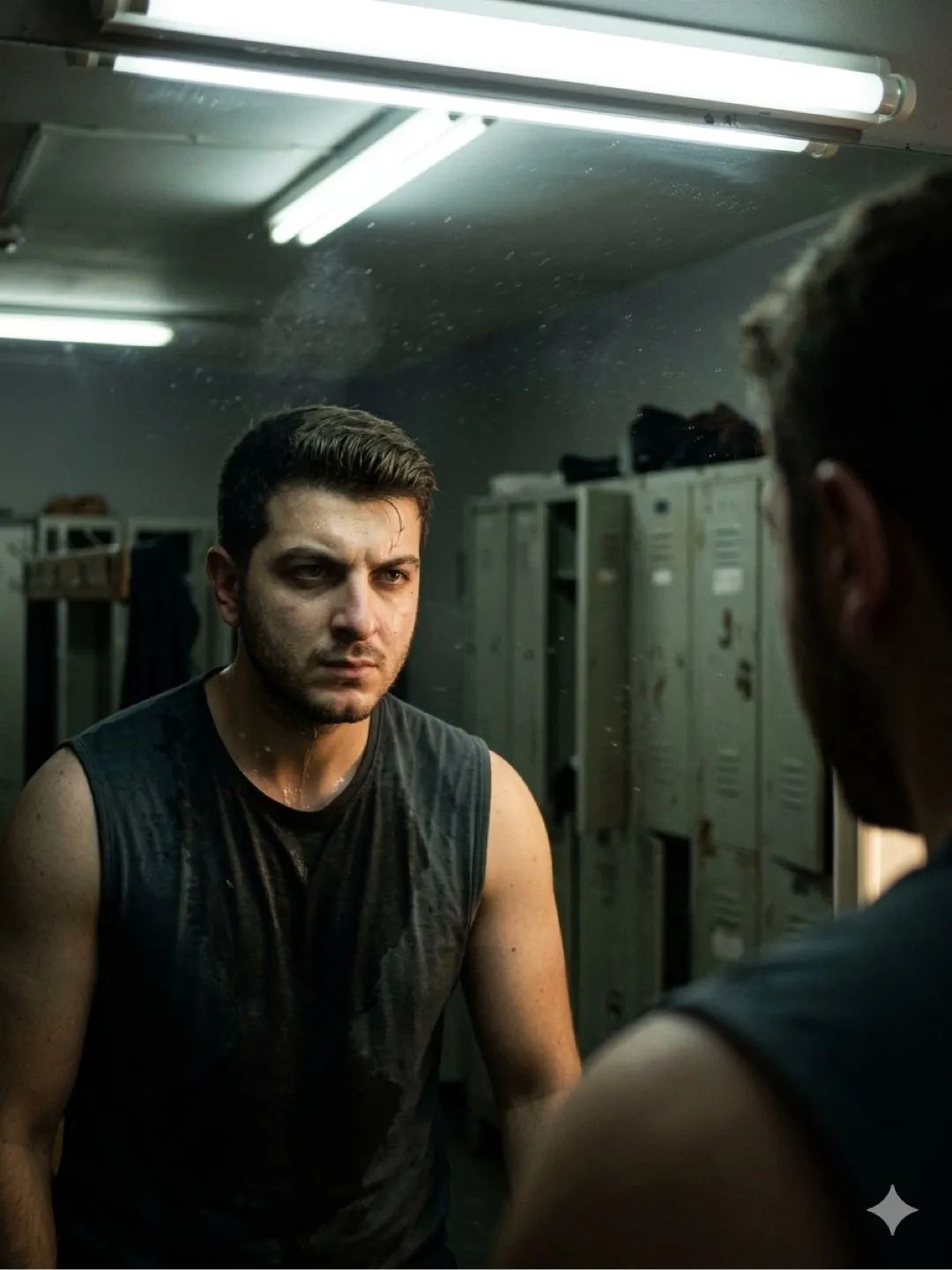
melih@melih1CreateBas lan bassssss22viewsA hard cinematic portrait of an athlete staring at himself in the mirror after an intense training session, captured in the style of Neo-Anatolian Cinematic Realism. The atmosphere is raw, intimate, and psychologically charged, with a dim locker room or dark gym interior, soft reflections on the mirror, sweat in the…View post1Create
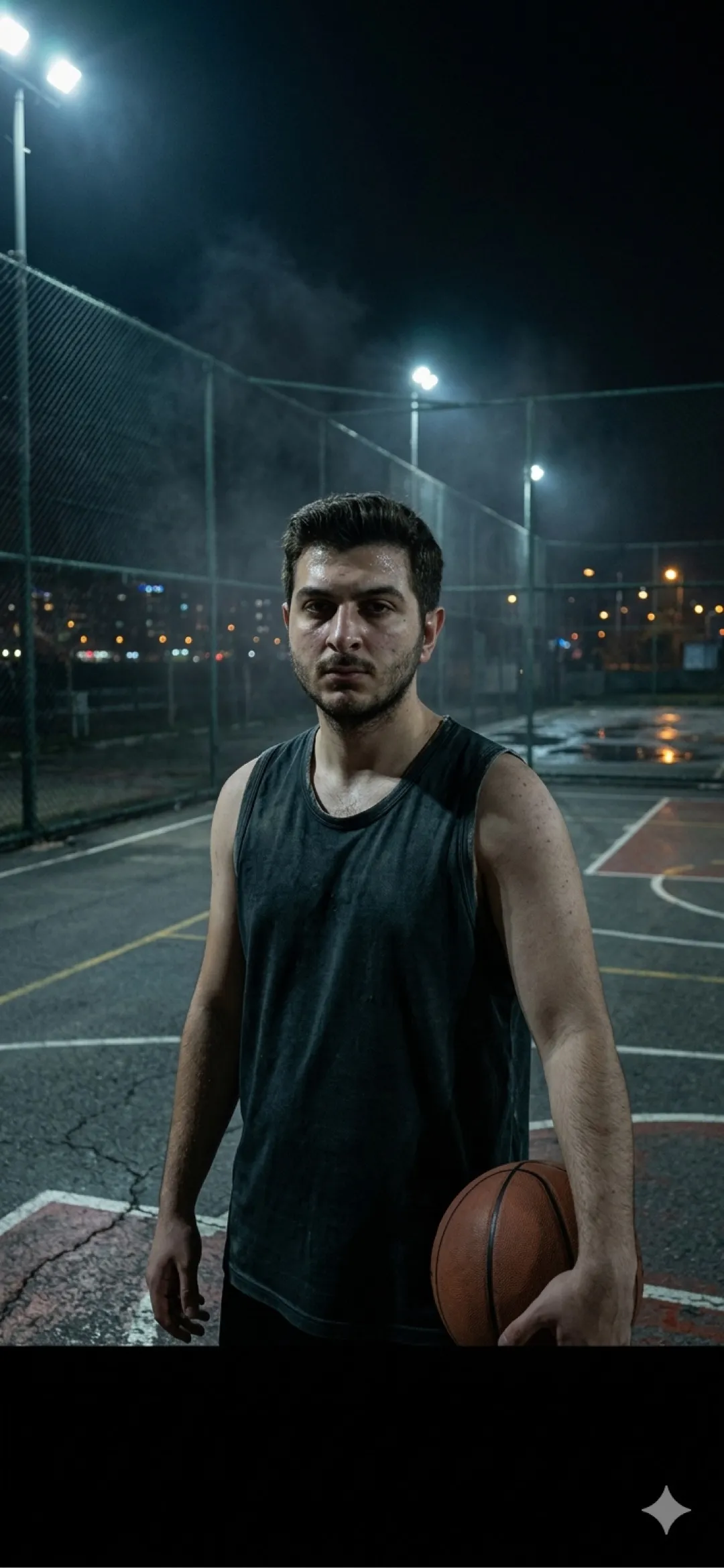
melih@melihCreateAkşam basketbolu 220viewsA cinematic portrait of a basketball player standing alone on an outdoor street basketball court at night, captured in the style of Neo-Anatolian Cinematic Realism. The atmosphere is urban, raw, and emotionally charged, with chain-link fences, cracked asphalt, distant city lights, dim court lamps, subtle mist in the…View postCreate
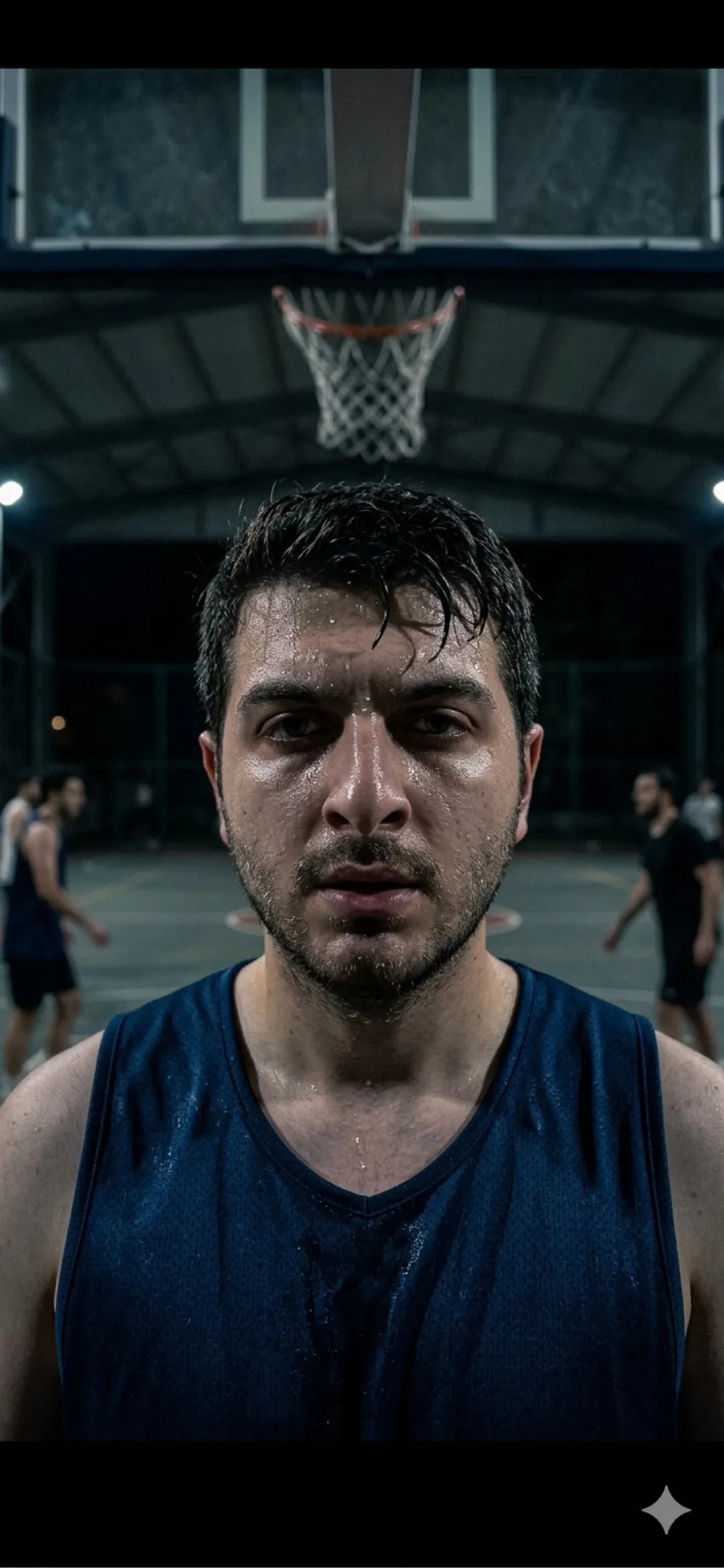
melih@melih11CreateAkşam basketbol19viewsAn ultra-realistic hard cinematic close-up portrait of a basketball player standing under the hoop after intense play, captured in the style of Neo-Anatolian Cinematic Realism. The framing is tight, powerful, and emotionally charged, focusing on the face, sweat, breathing, eyes, and physical exhaustion of the…View post11Create
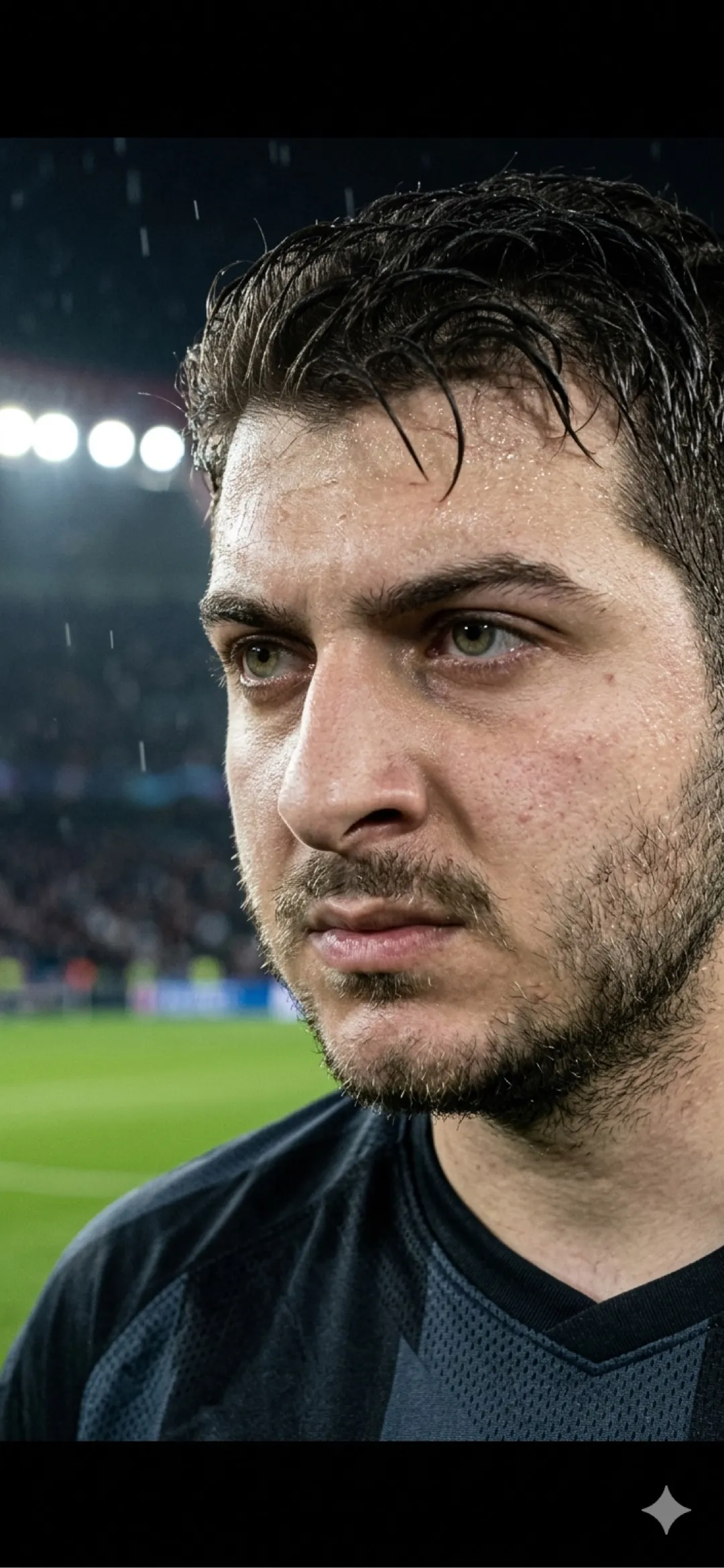
melih@melih3CreateStadyumda dramatik potre21viewsAn ultra-realistic cinematic close-up portrait of a football player just seconds before taking a penalty kick, captured in the style of Neo-Anatolian Cinematic Realism. The framing is tight and psychologically intense, focused on the player’s face, eyes, sweat, breathing, and emotional pressure. His expression shows…View post3Create